How to File a Car Insurance Claim: A Step-by-Step Guide to Getting Paid Fairly
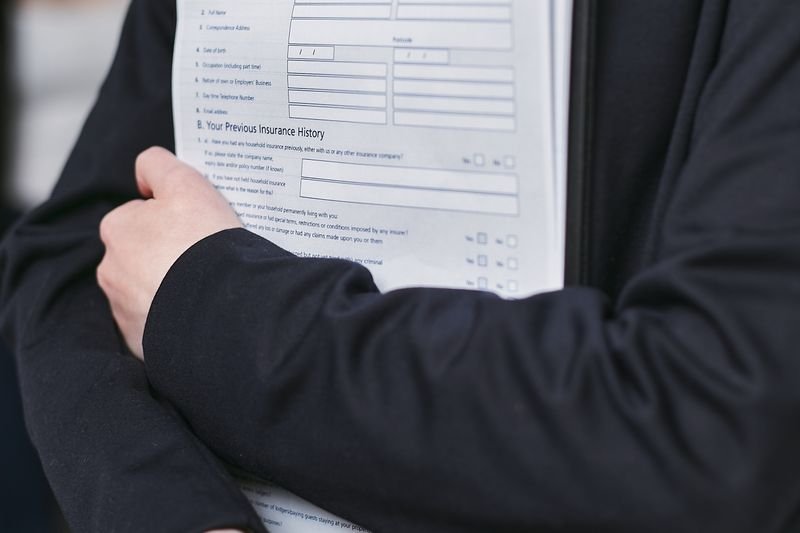
Car Insurance Claims: How to File and Get Paid Fairly
Filing a car insurance claim is not automatic; the decisions you make in the hours and days after an accident directly affect how much your insurer pays and how quickly. Insurance adjusters are trained to find legitimate reasons to reduce payouts: missing documentation, recorded statements that contain contradictions, and delayed medical treatment are all used to question the validity or value of claims. Understanding the process from both sides gives you the knowledge to navigate it effectively without leaving money on the table. According to the Insurance Research Council, claimants who thoroughly document their losses and follow proper procedures receive settlement amounts that are 30 to 50 percent higher than those who file incomplete or poorly documented claims. The difference between a well-managed claim and a poorly managed one can easily be thousands of dollars, making it essential to understand each step of the process before you find yourself in a situation where you need to use it.
Step-by-Step Claim Filing Process
- Step 1: Document the Scene Thoroughly
Photograph all vehicles from at least four angles each, capturing plate numbers, the overall scene, traffic controls, and all visible damage. Photograph your injuries if any. Get the other driver's insurance card, license, and contact information. Note weather conditions, time, and exact location.
- Step 2: Notify Your Insurer Promptly
Most policies require 'prompt' notification, typically within 24–72 hours. File through the insurer's mobile app, website, or phone. Provide factual information about when, where, and what happened. Do not speculate about fault in your claim report.
- Step 3: Get a Repair Estimate
Your insurer may have preferred repair shops (Direct Repair Program shops), using them often speeds claims. You generally have the right to choose your own body shop. Get an independent estimate from a reputable shop to compare against the adjuster's estimate.
- Step 4: Challenge a Low Total Loss Valuation
If your vehicle is totaled, the insurer must pay its Actual Cash Value (ACV). Adjusters use computerized tools that can undervalue your car. Research comparable vehicles in your area using AutoTrader and Cars.com. If your ACV is below market, submit documentation and formally dispute the amount, you can negotiate.
- Step 5: Understand Your Rental Car Coverage
Rental reimbursement coverage (typically $30–$50/day) pays for a rental while your car is repaired. If the other driver was at fault, their liability coverage should pay for your rental directly. Don't accept a daily rate below the cost of a comparable rental, document all rental expenses.
When to Involve a Public Adjuster or Attorney
For large claims (over $10,000 in vehicle damage or injuries), consider hiring a public adjuster (for property claims) or personal injury attorney (for bodily injury claims). Public adjusters work on contingency, typically 10–20% of the settlement increase they achieve. Studies show public adjuster involvement increases commercial property claim settlements by an average of 748%, the disparity is smaller for auto claims but still significant for total losses and disputed damage assessments. For injury claims involving medical bills, lost wages, or pain and suffering, a personal injury attorney almost always increases total recovery above what you'd negotiate independently.
Critical Mistakes That Reduce Your Insurance Payout
Avoid These Common Claim Errors
- Giving a Recorded Statement Too Early
Insurance adjusters from the other driver's insurer will often call within hours asking for a recorded statement. You are not legally required to provide one to anyone other than your own insurer. Anything you say can be used to reduce your claim value. Politely decline until you have reviewed your documentation and, if the claim is significant, consulted with an attorney.
- Accepting the First Settlement Offer
Initial settlement offers are almost always lower than what the claim is worth. Adjusters are trained to close claims quickly at the lowest reasonable amount. For property damage claims, research your vehicle's actual market value using multiple sources before accepting. For injury claims, never settle before you reach maximum medical improvement, because you cannot predict future treatment costs.
- Failing to Document Medical Treatment
If you experience any pain after an accident, see a doctor within 72 hours even if the pain seems minor. Delayed symptoms are common with soft tissue injuries and whiplash. Insurance companies routinely argue that injuries not documented immediately after the accident were pre-existing or caused by something else. Keep detailed records of every medical visit, prescription, and therapy session.
- Posting on Social Media
Insurance investigators routinely review claimants' social media profiles. A photo of you at a concert or playing sports can be used to argue that your injuries are not as severe as claimed. Avoid posting about your accident, your injuries, or your physical activities until your claim is fully resolved.
Understanding the Claims Timeline
Another frequently overlooked aspect of the claims process is understanding your policy's appraisal clause. If you and your insurer cannot agree on the value of your loss, most auto policies include an appraisal provision that allows both parties to hire independent appraisers. The two appraisers select an umpire, and any two of the three can reach a binding decision. This process costs $200 to $500 for your share but is far less expensive than hiring an attorney and often produces a fair result when negotiation alone has stalled.
Most straightforward property damage claims are resolved within 2 to 4 weeks from the date of filing. The adjuster inspects the vehicle or reviews photos, issues an estimate, and authorizes repairs or declares a total loss. Total loss claims take slightly longer because the insurer must calculate actual cash value and negotiate with you on the amount. Injury claims follow a much longer timeline, often 3 to 12 months or more, because they cannot be settled until medical treatment is complete and the full extent of injuries is known. During the claims process, keep a detailed log of all communications with the insurance company including the date, time, name of the person you spoke with, and a summary of what was discussed. This documentation protects you if there are disputes about what was promised or agreed upon. Most states have regulations requiring insurers to acknowledge claims within a set number of days, typically 15, and to make payment decisions within 30 to 45 days after receiving complete documentation.
Free Online Certificates That Actually Boost Your Career
MIT, Harvard, Google, and IBM offer free certificates. Which ones have real career value, and which are resume noise.
Read More
Learn a New Language as an Adult
Proven methods for picking up a new language when you do not have hours to spare every day.
Read More
Crypto Scams: How to Spot and Avoid Fraud
$3.8 billion stolen in crypto scams in 2022. Learn to identify rug pulls, phishing, and fake platforms.
Read More