How to Sell Your Home for Maximum Price: Staging, Pricing Strategy, and Negotiation
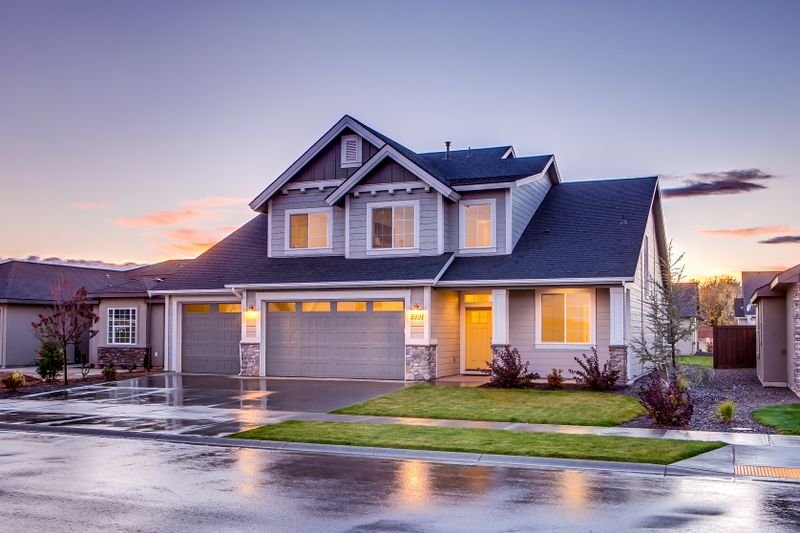
Maximizing Your Home Sale Price: What Actually Works
The difference between a well-prepared, strategically priced home sale and a poorly executed one can be $20,000–$80,000 on a median-priced home. Yet most sellers focus on the wrong variables, overweighting the agent's commission (which is relatively fixed) and underweighting preparation, pricing strategy, and negotiation (which vary enormously). Home sellers who follow a systematic approach to preparation and pricing typically net 3–8% more than sellers who simply list with the first agent they meet and accept the first reasonable offer.
What Moves Home Sale Price
- Professional Photography: $200–$400, High ROI
Homes with professional photography sell 50% faster and for 3–11% more, according to Redfin data. Nearly all buyers begin their search online, your listing photos are the first impression that determines whether buyers schedule a showing. Dark, cluttered, wide-angle smartphone photos cost far more in lower offers than the photography would cost.
- Strategic Pricing at or Below Market
Overpriced homes sit on the market, accumulate days-on-market (a red flag to buyers), and ultimately sell for less than they would have priced correctly from day one. Price at the lower end of comparable sales to generate multiple offers, bidding wars routinely push final prices 3–8% above list price. Price too high and you'll be negotiating down from a position of weakness.
- Pre-Listing Inspection ($350–$500)
Identify issues before buyers do. Allows you to fix problems on your timeline and at your chosen contractor (not emergency-priced repairs buyers demand during contract). Eliminates the largest source of sale-killing negotiation, buyer's inspection repair requests. Sellers who fix issues pre-listing keep more control over the transaction.
- Declutter, Deep Clean, and Light Staging
Decluttering and cleaning are free (or low-cost) and have the highest ROI of any pre-sale activity. Remove personal photos, excess furniture, and clutter. Replace light bulbs with high-CRI bulbs (2700K, 800+ lumens), bright, warm lighting makes spaces feel larger and more welcoming. Cost: $0–$500. Impact: buyers form opinions within 7 seconds of entering a home.
Evaluating and Negotiating Offers
The highest offer isn't always the best offer. Evaluate each offer on five dimensions: price, financing type (cash is strongest, FHA is weakest due to stricter appraisal requirements), contingencies (fewer is better, inspection and financing contingencies allow buyers to exit and renegotiate), closing timeline (does it align with your needs?), and earnest money deposit size (larger deposit = more committed buyer). In multiple-offer situations, issue a 'best and final' deadline to all bidders, giving each buyer one opportunity to submit their strongest offer by a specific time. This process consistently produces better outcomes than piecemeal back-and-forth negotiation.
Strategic Home Improvements That Increase Value
Not all home improvements deliver equal returns when selling, and knowing which upgrades offer the best return on investment helps you allocate your pre-sale renovation budget wisely. Kitchen updates consistently deliver the highest ROI: a minor kitchen remodel (refinishing cabinets, updating hardware, installing new countertops and modern appliances) typically returns 70 to 80 percent of its cost, while a full kitchen renovation returns 50 to 60 percent. Bathroom updates are the second-highest ROI improvement, with minor remodels (new fixtures, fresh paint, modern lighting, updated vanity) returning 60 to 70 percent. Curb appeal improvements like fresh exterior paint, updated landscaping, a new front door, and clean walkways create a strong first impression and typically return 75 to 100 percent of their cost. Fresh interior paint in neutral, contemporary colors is one of the cheapest and most effective improvements, returning 100 to 200 percent of its modest cost. Avoid over-improving for your neighborhood: luxury upgrades in mid-range neighborhoods rarely recoup their cost because buyers shopping in that price range have a ceiling on what they will pay regardless of interior finishes.
Pricing Strategy and Negotiation Tactics
Pricing your home correctly from the start is the single most important factor in achieving a quick sale at the best possible price. Overpricing leads to extended time on market, which creates a stigma that causes buyers to wonder what is wrong with the property and often results in a final sale price lower than if the home had been priced correctly initially. Your real estate agent should provide a Comparative Market Analysis (CMA) showing recent sales of similar homes in your area, current competition, and market trends. In a seller's market with limited inventory, pricing at or slightly above comparable sales may attract competitive offers. In a balanced or buyer's market, pricing at or slightly below comparables generates more showings and creates urgency. When evaluating offers, consider more than just the price: the strength of the buyer's financing (cash or pre-approved versus pre-qualified), the size of the earnest money deposit, contingencies (inspection, appraisal, financing), the proposed closing timeline, and whether the buyer needs to sell their current home first all affect the certainty and speed of the transaction.
Working with Real Estate Agents vs. Selling FSBO
The decision to work with a real estate agent or sell your home For Sale By Owner (FSBO) involves weighing the cost savings against the expertise and marketing reach that agents provide. Agent commissions typically total 5 to 6 percent of the sale price, which on a $400,000 home amounts to $20,000 to $24,000. FSBO sellers avoid the listing agent's commission (2.5 to 3 percent) but often still offer a buyer's agent commission to attract agent-represented buyers. National Association of Realtors data consistently shows that agent-listed homes sell for 10 to 20 percent more than FSBO homes on average, though this gap narrows for sellers with real estate knowledge and marketing skills. Agents provide value through professional photography and marketing, MLS listing access, showing coordination, negotiation experience, and guidance through the legal and contractual complexities of the transaction. If you choose FSBO, invest in professional photography, hire a real estate attorney to handle contracts and closing, and consider paying a flat fee to list on the MLS for broader exposure.
Professional staging and photography are investments that consistently pay for themselves through higher sale prices and faster sales. Staged homes sell 73 percent faster and for 5 to 10 percent more than unstaged homes according to the National Association of Realtors. Professional real estate photography costs $200 to $500 and is essential because over 90 percent of buyers begin their search online, where listing photos are the primary factor in deciding which homes to visit in person. Virtual tours and 3D walkthroughs have become increasingly expected by buyers and allow out-of-town buyers to make informed decisions about scheduling in-person visits. Decluttering, deep cleaning, and depersonalizing your home allows buyers to envision themselves living in the space rather than feeling like they are visiting someone else's home.
Best ERP Software for Small Business 2025
Selecting the right ERP software for small business. Compare top 10 small business ERP solutions with features, pricing, and industry fit.
Read More
Mortgage Types Compared: Fixed, ARM, FHA, VA, USDA
The wrong mortgage type can cost you tens of thousands. Compare all major options and find your best fit.
Read More
Auto Insurance Coverage Types: Plain-Language Guide
Liability, collision, PIP, UM/UIM, every coverage type explained so you know exactly what you're buying.
Read More