How to Stop Living Paycheck to Paycheck: A Realistic Plan That Actually Works

You Are Not Alone in This Struggle
According to multiple surveys, between 55 and 65 percent of American workers live paycheck to paycheck, meaning they would struggle to cover an unexpected $500 expense without borrowing money. And this is not just a low income problem. A significant number of households earning six figures still find themselves in this position because expenses expand to fill available income regardless of how much that income is. Living paycheck to paycheck feels like walking a tightrope with no net underneath you. Every unexpected car repair, medical bill, or job disruption becomes a potential crisis. Breaking this cycle is not about willpower or discipline alone; it requires a concrete plan and a series of small, deliberate changes that add up over time.
Start With a Brutally Honest Look at Your Spending
Before you can fix the problem, you need to understand exactly where your money goes. Most people have a rough idea of their major expenses like rent and car payments, but they underestimate how much they spend on everything else. Pull your bank and credit card statements for the past three months and categorize every single transaction. You will likely find spending patterns that surprise you. The $5 coffee runs that happen four times a week add up to $80 a month. The streaming services you barely use total $60 a month. The convenience store stops, impulse Amazon purchases, and weeknight takeout orders all contribute to a slow leak that drains your paycheck before the next one arrives.
This exercise is not about judging yourself or feeling guilty. It is about getting an accurate picture so you can make informed choices. You might look at that $80 in coffee spending and decide that it brings you genuine joy and is worth keeping. That is completely fine. But you should make that choice deliberately, knowing the tradeoff, rather than spending it on autopilot without realizing the total. The goal is to identify spending that does not add real value to your life so you can redirect that money toward building a financial buffer.
Build a Starter Emergency Fund First
Financial experts typically recommend an emergency fund of three to six months of expenses, but when you are living paycheck to paycheck, that number feels impossibly far away. So do not start there. Start with a goal of $500. That is enough to cover most common emergencies: a flat tire, an urgent care visit, a broken appliance. Having even this small buffer changes your relationship with money because it means a minor setback does not send you spiraling into credit card debt or overdraft fees.
To build your first $500, look for one time windfalls you can redirect. Tax refunds are the most obvious source: the average refund is over $3,000, and directing even a portion of it to your emergency fund can hit your $500 goal in one shot. Selling items you no longer need through Facebook Marketplace, Craigslist, or Poshmark can generate quick cash. Many people have hundreds of dollars worth of unused electronics, clothing, furniture, or other items sitting in closets and garages. A weekend spent listing these items can fund your entire starter emergency fund. Once you have $500 set aside, keep building toward $1,000, then one month of expenses, and eventually the full three to six month cushion.
The Budget That Does Not Feel Like a Budget
Traditional line item budgeting, where you assign every dollar to a specific category, works for some people but drives others crazy. If you have tried and failed with detailed budgets before, consider a simpler approach: the 50/30/20 framework. Under this system, 50 percent of your after tax income goes to needs like housing, utilities, groceries, insurance, and minimum debt payments. Thirty percent goes to wants like dining out, entertainment, shopping, and hobbies. And 20 percent goes to savings and extra debt payments. You do not need to track every individual purchase; you just need to make sure each bucket stays within its percentage.
If your needs exceed 50 percent of your income, which is common in high cost of living areas, the framework still helps by showing you where the imbalance is. Maybe your housing cost is 40 percent of your income by itself, leaving very little room for everything else. In that case, the path forward might involve finding a roommate, moving to a less expensive area, or focusing on increasing your income rather than cutting discretionary spending that is already minimal. The percentages are guidelines, not rigid rules. The point is to create a simple structure that ensures you are spending less than you earn and directing the difference toward your financial goals.
Automate Your Savings Before You Can Spend It
The most effective saving strategy is one that does not rely on willpower. Set up an automatic transfer from your checking account to a savings account that occurs the same day your paycheck is deposited. Start with whatever amount you can manage, even if it is only $25 per paycheck. The key is consistency rather than size. If you wait until the end of the month to save whatever is left over, the answer will almost always be nothing. Money that sits in your checking account gets spent because it is visible and accessible. Money that moves to a separate savings account before you see it tends to stay saved because you adjust your spending to the lower available balance without consciously thinking about it.
Consider using a savings account at a different bank from your checking account. The slight inconvenience of transferring money back creates just enough friction to prevent impulsive withdrawals. Online banks like Ally, Marcus, or Capital One 360 offer high yield savings accounts with interest rates significantly higher than traditional banks, and your money will grow faster while being slightly harder to access on a whim. Some people go even further and use apps that round up their purchases to the nearest dollar and save the difference automatically. These micro saving tools may feel insignificant, but they can accumulate $30 to $50 per month without any conscious effort on your part.
Attack the Expenses That Make the Biggest Difference
When you are trying to free up money in your budget, focus on the biggest expenses first because that is where the biggest savings are. Housing is typically the largest expense for most people, and even a small percentage reduction makes a meaningful difference. If you are renting, consider negotiating your rent at renewal time, especially if you have been a reliable tenant. Landlords often prefer to offer a discount rather than deal with the cost and hassle of finding a new tenant. If you own your home, look into whether refinancing your mortgage at a lower rate makes sense given current market conditions.
Car expenses are the second largest budget item for most Americans. If you are making payments on a car that costs more than 10 to 15 percent of your monthly take home pay, you may be spending too much on transportation. Trading down to a less expensive vehicle, even temporarily, can free up hundreds of dollars per month. Insurance is another area where shopping around pays off: getting quotes from five or six companies takes a couple of hours and can save $500 to $1,000 per year on auto and home insurance combined. Review your cell phone plan as well. Many people pay $80 to $100 per month for plans with more data than they actually use, when budget carriers like Mint Mobile, Visible, or Cricket offer comparable coverage for $25 to $40 per month.
Increasing Your Income Changes Everything
Cutting expenses has a limit. At some point, you have reduced everything you can, and the remaining expenses are genuine necessities. When you hit that wall, the only way forward is to increase your income. This does not necessarily mean getting a second full time job. Freelancing, consulting, tutoring, driving for a rideshare service, or selling a skill online can all generate meaningful additional income. Even an extra $300 to $500 per month can be the difference between barely getting by and steadily building savings.
At your primary job, ask about opportunities for overtime, shift differentials, or advancement into a higher paying role. If you have been in the same position for more than two years without a raise, it is worth having a direct conversation with your manager about a salary increase. Come prepared with data about your contributions and market rates for your role. If your current employer will not pay you what you are worth, start looking elsewhere. Changing jobs is consistently one of the fastest ways to increase your income, with job switchers typically seeing salary increases of 10 to 20 percent compared to the 3 to 5 percent annual raises that most employers give to existing employees. Every additional dollar of income that goes directly to savings or debt repayment accelerates your progress toward breaking the paycheck to paycheck cycle.
Medical Debt: Negotiate Bills and Get Financial Help
Medical debt is negotiable. Hospitals have charity care programs most patients never know about, here's how to access them.
Read More
Business Process Automation
Streamline operations and cut costs with intelligent business process automation solutions.
Read More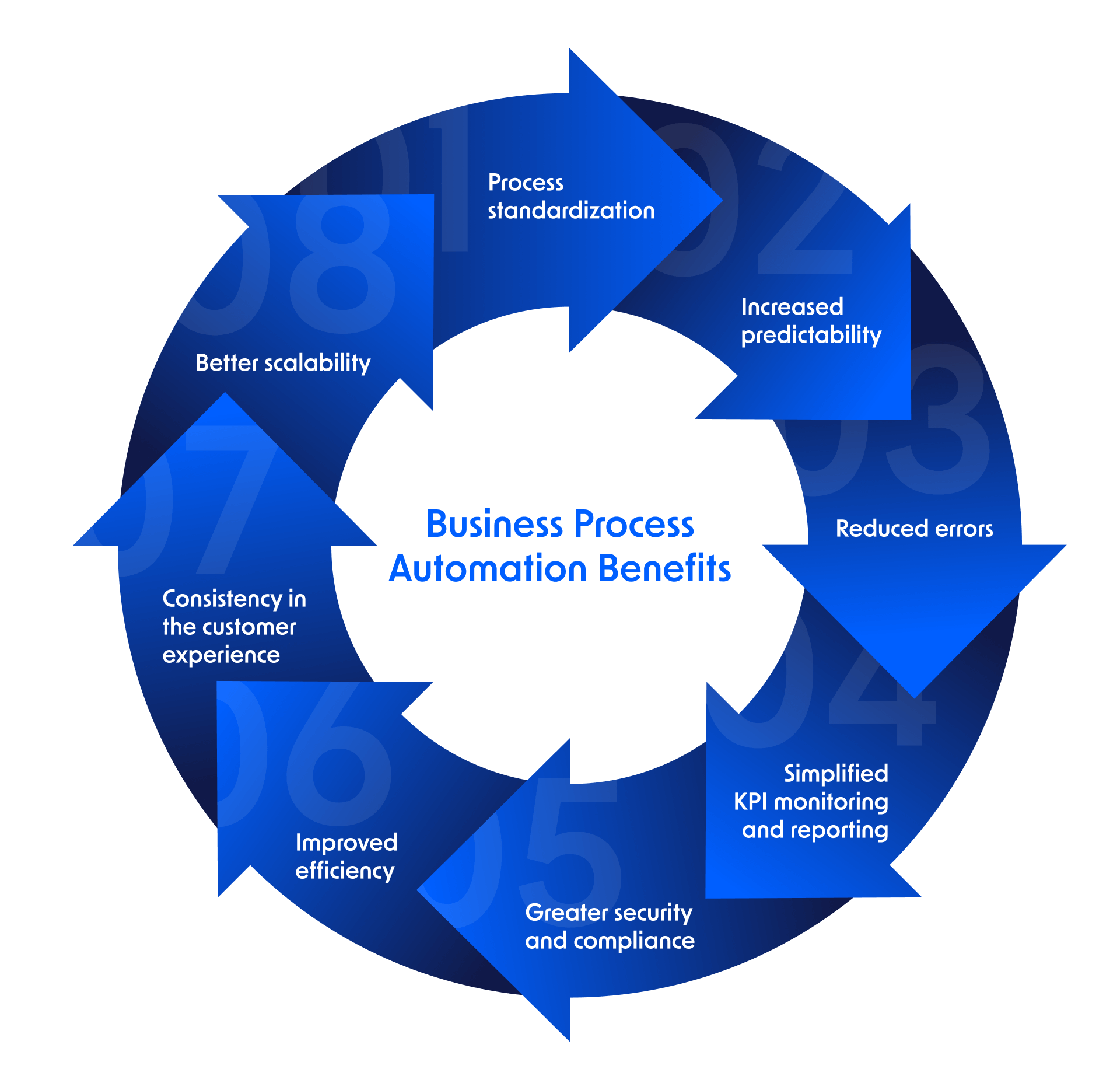
Raised Bed Gardening: Build, Fill, and Plant for Maximum Yield
Raised beds produce more per square foot than in-ground gardens. Learn how to build and fill one correctly.
Read More