12 Proven Ways to Lower Your Car Insurance Premium Right Now

Proven Strategies to Reduce Your Car Insurance Costs
Car insurance premiums rose an average of 19 percent in 2023, the steepest annual increase in four decades, driven by rising repair costs, medical inflation, and severe weather claims. Yet most drivers pay more than necessary because they never shop their policy, do not ask for available discounts, or carry coverage levels that no longer match their needs. Reducing your auto insurance premium is not about sacrificing protection; it is about optimizing what you pay for the coverage you actually need and qualifying for every discount you are entitled to. The average American household spends over $1,800 per year on auto insurance, making it one of the largest recurring expenses after housing and food. Even a 15 percent reduction translates to $270 per year in savings, and most drivers can achieve reductions of 20 to 40 percent by implementing the strategies outlined below. The key is to approach your auto insurance as an annual financial decision rather than a set-it-and-forget-it expense.
12 Strategies to Lower Your Premium
- 1. Shop Your Policy Annually
Insurance companies offer their best rates to new customers. Shopping at renewal with three to five competing quotes is the single most impactful action, savings of $400–$1,200/year are common for identical coverage. Use The Zebra, NerdWallet, or an independent agent for simultaneous comparisons.
- 2. Bundle Home and Auto
Bundling your homeowner's or renter's insurance with the same carrier saves 5–25% on both policies. State Farm, Allstate, and Nationwide consistently offer the largest bundling discounts. The average bundling savings is $374/year across both policies.
- 3. Enroll in Telematics/Safe Driver Programs
Progressive's Snapshot, State Farm's Drive Safe & Save, and Allstate's Drivewise monitor driving habits (braking, speed, phone use) via app or plug-in device. Good drivers save 10–30%. If your driving is clean, this is easy money, only poor driving performance can raise rates in most programs.
- 4. Raise Your Deductible
Increasing your comprehensive and collision deductible from $500 to $1,000 saves 10–15% on those coverages. Going to $2,000 saves 20–25%. Only raise your deductible to an amount you can comfortably pay out of pocket in a loss event.
- 5. Improve Your Credit Score
In the 47 states that allow credit-based insurance scoring, improving your credit score from 'fair' to 'good' (580→670) can reduce premiums by $400–$600 annually. Paying down credit card balances, correcting credit report errors, and avoiding new credit applications all help within 6–12 months.
More Ways to Reduce Your Premium
Ask about every available discount, insurers don't automatically apply all discounts you qualify for. Good student discounts (3.0+ GPA) save 8–25% for young drivers. Defensive driving course completion saves 5–10% in most states and is often only $30–$50 for the course. Employer or professional association affiliates (AAA, AARP, alumni associations) can access group rates not available to the public. Low mileage programs reward drivers under 7,500 annual miles with 5–15% savings. Paying your annual premium in full rather than monthly installments eliminates the $5–$10/month installment fee. If your car is over 10 years old and paid off, evaluate whether dropping comprehensive saves more than the potential loss.
Advanced Discount Stacking Strategies
The most effective way to reduce your premium is to stack multiple discounts simultaneously, because most insurers apply discounts multiplicatively rather than additively. For example, combining a bundling discount of 15 percent with a telematics discount of 20 percent and a good credit discount of 10 percent does not simply add up to 45 percent off; instead, each discount applies to the already reduced amount. However, even with this compounding effect, stacking three or four discounts routinely produces total savings of 25 to 40 percent compared to a policy with no discounts applied. Contact your insurer directly and ask for a complete list of every discount they offer, because many discounts such as paperless billing savings of 3 to 5 percent, autopay discounts of 2 to 5 percent, and early renewal discounts are never advertised and must be specifically requested.
When to Consider Switching Insurers
Insurance companies frequently adjust their pricing algorithms, which means the company that gave you the best rate two years ago may no longer be competitive. Major life events are natural trigger points to shop your policy: getting married, buying a home, turning 25, paying off your car loan, or improving your credit score can all change which insurer offers you the best rate. If your premium increases by more than 10 percent at renewal without any claims or violations on your record, that is a strong signal to shop immediately. When comparing quotes, make sure you are comparing identical coverage levels and deductibles, because a lower premium with lower coverage limits is not a genuine savings. Keep records of each quote you receive, including the coverage details, because having a competing quote in hand gives you leverage to negotiate with your current insurer, and many companies will match or beat a competitor's price to retain your business.
Coverage Adjustments That Save Money Without Adding Risk
The timing of your policy renewal also affects your rate. Many insurers offer lower rates to customers who start shopping and requesting quotes 30 to 45 days before their renewal date, because early shoppers signal price sensitivity that triggers more competitive offers. Avoid letting your policy lapse even for a single day; a gap in coverage history is treated as a risk factor and can increase your premium by 10 to 25 percent with any insurer you apply to afterward. If you are currently paying monthly installments, switching to a six-month or annual payment plan eliminates installment fees that typically add $60 to $120 per year to your total cost.
Beyond the standard advice of raising deductibles, there are several coverage adjustments that can reduce your premium without meaningfully increasing your financial exposure. If you have health insurance, you may be able to reduce or eliminate medical payments coverage on your auto policy since your health plan will cover accident injuries. If you belong to AAA or have roadside assistance through your credit card or vehicle manufacturer, removing the roadside assistance rider from your auto policy saves $10 to $30 per year. Reviewing your rental reimbursement coverage is also worthwhile: if you have a second vehicle in the household or can rely on rideshare services for the one to two weeks your car might be in the shop, dropping rental coverage saves $30 to $80 annually. Each of these adjustments is small individually, but together they can produce meaningful savings of $100 to $200 per year on top of your other discounts.
GAP Insurance: When You Need It (and When You Don't)
If your car is totaled, do you owe money after the insurance payout? GAP coverage prevents that nightmare.
Read More
Microsoft Dynamics 365 ERP Benefits
Discover Microsoft Dynamics 365 ERP benefits, features, pricing, and implementation guide. Learn how D365 Finance & Operations transforms business management.
Read More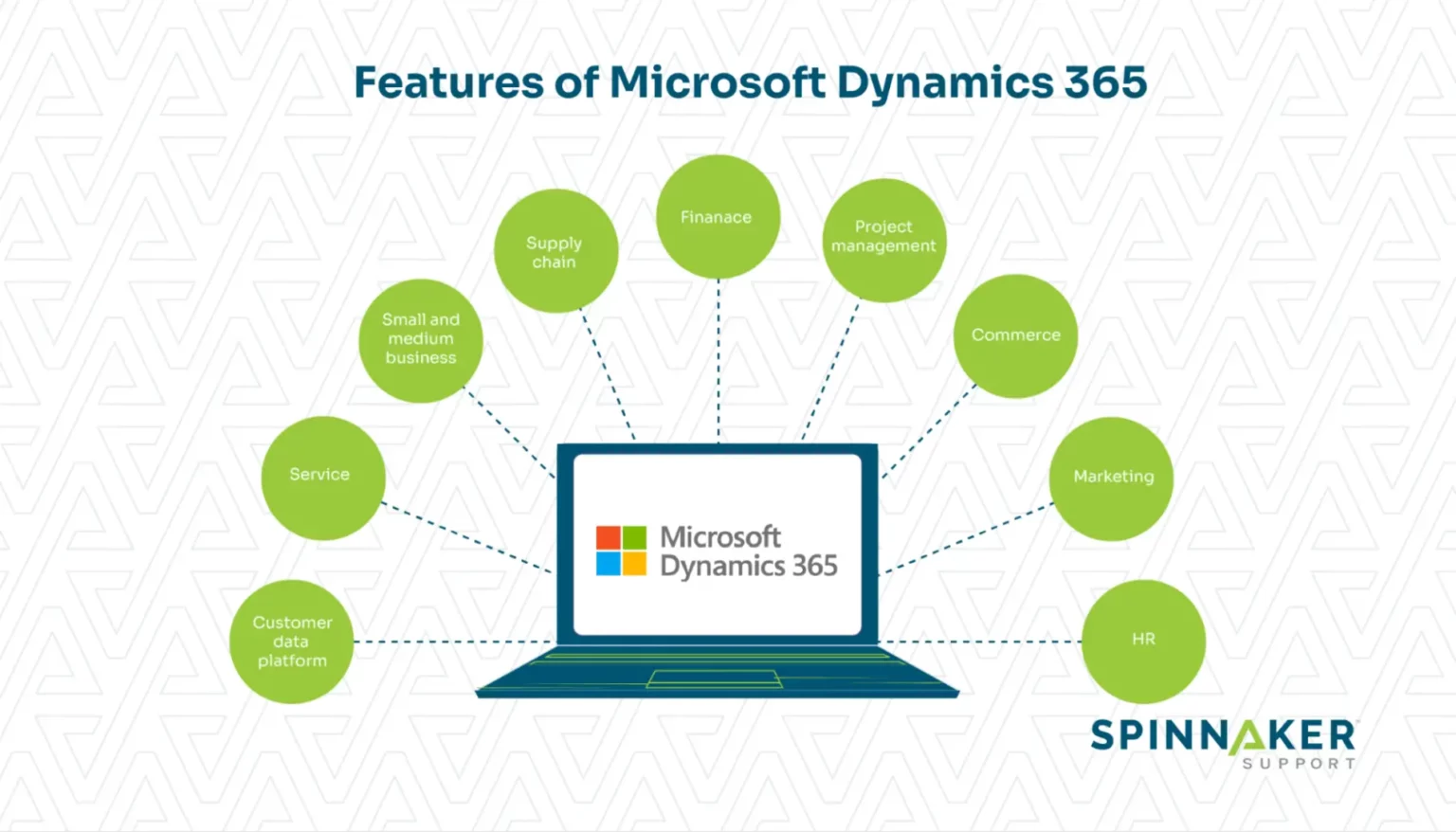
Becoming a Landlord: Legal Obligations and Management Guide
Managing rental property means legal compliance, smart screening, and knowing how to handle common problems.
Read More