Home Inspection: What to Expect, What to Look For, and When to Walk Away
Why the Home Inspection Is the Most Important Step
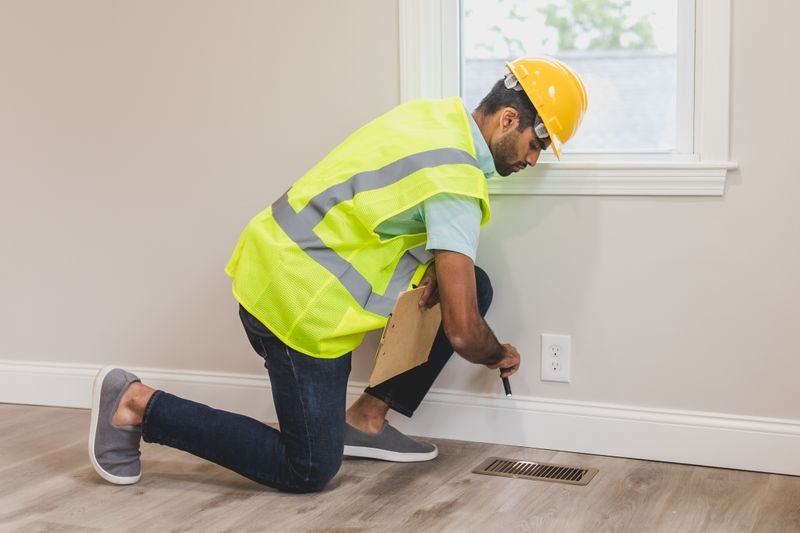
A home inspection is a thorough evaluation of a property's physical condition conducted by a licensed professional before the sale closes. It typically costs $300 to $500 depending on the size and location of the home, and it can save you from spending tens of thousands of dollars on problems you did not know existed. The house might look beautiful on the surface with fresh paint, staged furniture, and landscaped gardens, but a qualified inspector looks behind the walls, under the floors, on the roof, and in the crawl spaces where expensive problems hide. Foundation cracks, roof damage, faulty wiring, plumbing issues, and structural deficiencies are all things that may not be visible during a regular showing but will absolutely affect your finances and quality of life after you buy.
What the Inspector Checks
A standard home inspection covers the major systems and structural components of the property. The inspector evaluates the foundation, looking for cracks, settling, and water intrusion. They inspect the roof for damaged or missing shingles, deteriorating flashing, and signs of leaks. The electrical system is checked for outdated wiring, improperly sized panels, ungrounded outlets, and safety hazards. Plumbing is tested for leaks, water pressure, drainage speed, and the condition of water heaters and visible pipes. The HVAC system is evaluated for age, condition, and proper operation. The inspector also examines walls, ceilings, floors, windows, doors, insulation, and ventilation for issues that could indicate structural problems, water damage, or energy inefficiency.
A standard inspection does not include specialized tests for issues like radon, mold, termites, asbestos, or lead paint. These require separate inspections by specialists and are often recommended based on the age and location of the property. Homes built before 1978 may contain lead paint. Properties in certain geographic areas have elevated radon risk. Houses with visible moisture issues or musty smells may benefit from a mold inspection. Your inspector will often recommend additional testing if they see signs of these issues during the standard inspection. The cost of these additional tests typically ranges from $100 to $300 each and can provide critical information about health and safety hazards that are not visible to the naked eye.
Red Flags That Should Concern You
Certain findings in a home inspection report are more serious than others, and knowing the difference between minor maintenance items and major structural issues is important for making a sound buying decision. Foundation problems are among the most expensive to fix, with repair costs ranging from $5,000 to $50,000 or more depending on the severity. Signs include horizontal cracks in basement walls, doors and windows that do not close properly, uneven floors, and gaps between walls and ceilings. If the inspector identifies significant foundation issues, get a structural engineer's opinion before proceeding, because the inspector can identify symptoms but a structural engineer can determine the cause and the appropriate fix.
Roof replacement is another major expense, typically costing $8,000 to $20,000 depending on the size and materials. If the roof is near the end of its lifespan or shows signs of widespread deterioration, you will need to budget for replacement within a few years. Outdated electrical panels, particularly Federal Pacific and Zinsco panels, are known fire hazards and should be replaced regardless of whether the home passes inspection otherwise. Active water intrusion in the basement or crawl space is a serious concern because it can lead to mold growth, wood rot, and foundation damage if not addressed. Fresh paint or new flooring in basements should raise suspicion because sellers sometimes cover up water stains and damage before listing.
How to Use the Report to Negotiate
The inspection report gives you leverage to negotiate with the seller. In most purchase contracts, the inspection contingency allows you to request repairs, ask for a price reduction, request a seller credit toward closing costs, or walk away from the deal entirely based on the inspection findings. Focus your negotiation on significant issues that affect the safety, structure, or major systems of the home rather than cosmetic items or minor maintenance needs. Asking the seller to repaint a bedroom or replace a cabinet handle is generally seen as unreasonable, but asking them to fix a leaking roof, replace a failing furnace, or address a code violation is entirely appropriate.
When requesting repairs, consider asking for a price reduction or seller credit instead of having the seller make the repairs themselves. Sellers who are motivated to close quickly may agree to a credit but hire the cheapest contractor available if asked to do the repairs directly. A credit gives you control over the quality of the work and the choice of contractor. A price reduction achieves a similar result by lowering your mortgage amount and monthly payment. Either approach is generally more favorable to you as the buyer than relying on the seller to fix problems to your satisfaction.
When to Walk Away
Sometimes the inspection reveals problems so severe or so expensive that the best decision is to walk away from the purchase. This is always a difficult call, especially when you have already invested time, energy, and money into the buying process and have your heart set on the home. But buying a house with major structural problems, environmental hazards, or pervasive water issues can turn your dream home into a financial nightmare. If the total cost of necessary repairs exceeds 5 to 10 percent of the purchase price, the deal may not make financial sense unless the seller agrees to significant concessions.
Multiple red flags in different systems should also give you pause. A house with a failing roof, outdated wiring, and foundation issues is a house that has been neglected, and neglected houses often have additional problems that surface after you move in and start living with the property day to day. Trust your inspector's overall assessment and your own instincts. If the inspector seems genuinely concerned about the property's condition, take that seriously. A good inspector has seen hundreds of houses and can distinguish between normal aging and genuine trouble. Losing your inspection deposit and walking away from a bad deal is always cheaper than buying a house that drains your bank account with repair after repair for years to come.
Agent vs Selling By Owner
Compare the real costs and tradeoffs of using an agent versus selling your home yourself.
Read More
Insurance Bad Faith: When Insurers Break the Law
Insurers that delay, deny, or underpay claims can be sued for bad faith. Learn what that means and what you can recover.
Read More
What to Do If You Are Sued
A practical guide for anyone facing a lawsuit for the first time.
Read More