Electric Vehicle Insurance: Why EVs Cost More to Insure and How to Manage It
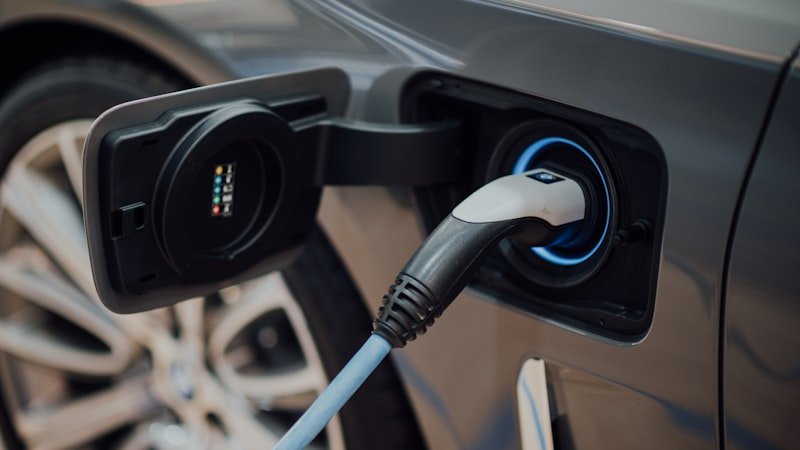
Electric Vehicle Insurance: Understanding the Higher Costs
The average annual premium for a Tesla Model 3 is approximately $2,700, compared to $1,950 for a similarly priced Honda Accord. Electric vehicles as a category cost 26 percent more to insure than comparable internal combustion engine vehicles, according to Bankrate's 2024 analysis. The reasons are structural: EV battery packs that cost $5,000 to $20,000 to replace, specialized repair requirements that limit the network of qualified shops, higher purchase prices that increase total loss payouts, and software systems in some models that affect traditional repair diagnostics. As EV adoption accelerates toward a projected 40 percent of new car sales by 2030, understanding the insurance landscape helps new EV owners budget accurately and find the best coverage. The insurance premium difference is one of the most overlooked costs of EV ownership, and failing to account for it can add $500 to $1,000 per year in unexpected expenses beyond the vehicle purchase price. Fortunately, the EV insurance market is evolving rapidly, with new products and pricing models emerging that reward safe EV drivers with significantly lower premiums.
Why EV Insurance Costs More
- Battery Replacement Costs
A minor fender-bender that would cost $800 to repair on a gas car can require battery module replacement on an EV, pushing repair costs to $3,000–$8,000. Many insurers total vehicles with battery damage rather than repair, increasing total loss payouts.
- Limited Repair Network
Tesla-certified repair centers and EV-trained collision shops are not yet ubiquitous. Longer repair times (averaging 2 weeks for EVs vs. 1 week for ICE vehicles) mean longer rental car costs for the insurer. As the repair network grows, this premium factor should decrease.
- Higher Vehicle Purchase Price
Even with the $7,500 federal EV tax credit, the average new EV transaction price is $53,000 vs. $45,000 for non-EVs. Higher ACV means higher total loss payouts and higher comprehensive/collision costs.
Finding the Best EV Insurance Rate
Tesla offers its own insurance product (Tesla Insurance) available in 12 states that uses real-time telematics from the vehicle to set premiums. For safe Tesla drivers, Tesla Insurance is frequently 20–30% cheaper than competitors. For non-Tesla EVs, State Farm, USAA, and Amica consistently offer competitive EV rates. Progressive and Geico are typically among the most expensive for EV coverage. EV-specific discounts are emerging: some insurers offer discounts for installing a home charging station, for low annual mileage (EVs average fewer annual miles than ICE vehicles), and for purchasing an EV with advanced safety features (automatic emergency braking, lane-keeping assist). Shop specifically with EV-experienced insurers and compare at least four quotes before purchasing.
EV Insurance Considerations by Vehicle Type
Insurance Cost Differences Across Popular EVs
- Tesla Models: Highest Insurance Costs
Tesla vehicles consistently rank among the most expensive to insure due to proprietary repair requirements, aluminum body panels that are costly to replace, and the high price of battery modules. The Tesla Model S averages $3,200 per year for full coverage, while the Model Y averages $2,500. Tesla's own insurance product, available in 12 states, uses real-time driving data from the vehicle and can offer rates 20 to 30 percent lower than traditional insurers for safe drivers.
- Chevrolet Bolt and Nissan Leaf: Most Affordable EV Insurance
More affordable EVs like the Chevrolet Bolt and Nissan Leaf are significantly cheaper to insure than premium EVs, averaging $1,800 to $2,200 per year for full coverage. Their lower purchase prices, simpler repair procedures, and wider availability of replacement parts keep insurance costs closer to comparable gas vehicles. These models are excellent choices for budget-conscious EV buyers concerned about total cost of ownership.
- Hybrids and PHEVs: The Middle Ground
Plug-in hybrid electric vehicles like the Toyota RAV4 Prime and Ford Escape PHEV typically cost only 5 to 10 percent more to insure than their gas-only counterparts, far less than the 26 percent premium for pure EVs. Their conventional drivetrains can be serviced at any repair shop, and their smaller battery packs are less expensive to replace if damaged. For drivers concerned about EV insurance costs, a PHEV offers most of the electric driving benefits with minimal insurance penalty.
The Future of EV Insurance Pricing
Several trends suggest that EV insurance costs will decrease over the next 3 to 5 years. The number of EV-certified repair shops is growing rapidly as manufacturers invest in training programs for independent collision centers. Battery technology is improving, with newer solid-state designs that are more resistant to damage and cheaper to produce. Standardization of repair procedures across EV manufacturers will reduce the specialized labor premium that currently drives up costs. Additionally, usage-based insurance programs that rely on telematics data from the vehicle are particularly well suited to EVs, because electric vehicles already collect extensive driving data that can be shared with insurers to provide personalized pricing. As the EV repair ecosystem matures and competition among insurers for EV customers increases, the current 26 percent premium gap between EVs and gas vehicles is expected to narrow to 10 to 15 percent within the next few years.
Tips for Reducing Your EV Insurance Premium
Another important consideration for EV owners is understanding how your vehicle's over-the-air software updates affect your insurance. Some updates add new safety features like improved automatic emergency braking or enhanced autopilot capabilities, which could qualify you for additional safety discounts. However, certain performance updates that increase horsepower or acceleration may affect your risk profile. Inform your insurer when significant software updates are installed so your policy accurately reflects your vehicle's current capabilities and you receive any applicable discounts.
Beyond shopping multiple insurers, there are several EV-specific strategies to lower your premium. Installing a home charging station may qualify you for a discount with certain insurers, because home charging reduces your time on the road and eliminates the risk of incidents at public charging stations. Many EV owners drive fewer miles annually than gas vehicle owners, so confirm that your insurer is applying a low-mileage discount if your annual driving is under 7,500 miles. Take advantage of your EV's advanced safety features: most modern EVs include automatic emergency braking, lane departure warning, and blind spot monitoring as standard equipment, and each of these features qualifies for safety equipment discounts of 3 to 10 percent. Finally, consider increasing your deductible to $1,000 or $2,000, because EV collision and comprehensive premiums are higher than average, the savings from a higher deductible are proportionally larger as well.
How to Switch Car Insurance Providers
Save hundreds by switching providers the right way, without risking a gap in coverage.
Read More
What to Do If You Are Sued
A practical guide for anyone facing a lawsuit for the first time.
Read More
Tenant Rights You Should Know
Protect yourself from unfair landlords by understanding the rights the law gives you.
Read More