Best Car Insurance Companies in 2024: Ranked by Value, Claims Service, and Customer Satisfaction

Best Car Insurance Companies of 2024: A Full Comparison
Choosing the right car insurance company matters far beyond premium price. Your insurer's claims handling, financial strength, and customer satisfaction determine whether you get a fair payout quickly when you actually need it. J.D. Power's 2024 U.S. Auto Claims Satisfaction Study, AM Best financial strength ratings, and NAIC complaint ratios provide objective measures beyond marketing claims. The auto insurance market includes over 200 companies, but the top 10 insurers control approximately 75 percent of the market. Within that group, rates for identical coverage can vary by 50 percent or more depending on your specific driver profile, vehicle, and location. A thorough comparison of the major insurers across the factors that matter most helps you identify the best value for your specific situation rather than relying on advertising or brand recognition alone.
Top Auto Insurers Ranked
- USAA: Best Overall (Military Only)
Consistently the highest-rated insurer in every consumer satisfaction study. Average savings: 22% below national average. AM Best: A++. J.D. Power Claims Score: 900/1000 (industry leader). Available only to military members, veterans, and their immediate families, if you qualify, use USAA.
- State Farm: Best for Most Drivers
Largest auto insurer by market share. Excellent claims service (J.D. Power: 882). AM Best: A++. Strong local agent network, 19,000 agents nationwide. Best telematics program: Drive Safe & Save. Competitive for good drivers; not always cheapest for young or high-risk drivers.
- Progressive: Best for High-Risk Drivers
Most innovative pricing (Name Your Price tool, Snapshot telematics). Will insure drivers that other companies decline. Competitive for drivers with one or more violations on record. Flo's familiarity belies a genuinely tech-forward company with strong mobile claims tools.
- Geico: Best for Budget Shoppers
Second largest insurer. Often the lowest-premium option especially for drivers with clean records, good credit, and straightforward profiles. Limited local agent presence (direct model). J.D. Power Claims Score: 874, below industry average, reflecting faster but sometimes less thorough claims handling.
- Amica: Best Claims Experience
Consistently ranks #1 or #2 in J.D. Power Claims Satisfaction (887 in 2024). Dividend policies return 5–20% of annual premium in good claim years. Higher initial premiums offset by dividend returns and superior claims service. Not available in all states.
How to Get the Best Rate from Any Insurer
The company with the best rates for your neighbor may not be the best for you; insurers use different rating algorithms that produce vastly different prices for different driver profiles. A driver with a recent DUI will find Progressive or The General most competitive. A senior driver with an older vehicle and excellent credit will find USAA, State Farm, and Amica best. A young driver on their parents' policy will see the least price variation. Shop every 12–18 months regardless of satisfaction with your current insurer, loyalty discounts rarely outpace new-customer rates. The 15 minutes to get three competing quotes regularly saves $400–$800 annually.
Regional and Specialty Insurers Worth Considering
Beyond the Big National Brands
- Erie Insurance: Best Regional Insurer
Available in 12 states primarily in the Mid-Atlantic and Midwest, Erie consistently ranks among the top three insurers in customer satisfaction surveys. Their rates are often 10 to 20 percent below national competitors for the same coverage. If Erie operates in your state, they should always be included in your comparison shopping.
- Nationwide: Best for Bundling
Nationwide offers one of the most comprehensive bundling programs, combining auto, home, renters, umbrella, and pet insurance under a single account. Their SmartRide telematics program offers discounts up to 40 percent for safe drivers, one of the highest telematics savings available from any major insurer.
- The Hartford: Best for AARP Members
Exclusively available to AARP members aged 50 and older, The Hartford offers competitive rates for mature drivers along with unique benefits like lifetime car repair guarantees and new car replacement coverage for vehicles less than 15 months old. Their claims satisfaction scores consistently exceed industry averages.
- Travelers: Best for Safe Drivers
Travelers offers substantial safe driver rewards and a disappearing deductible program that reduces your deductible by $50 for each year you remain claim-free. After five years without a claim, your deductible could effectively reach zero. Their IntelliDrive telematics program is also among the most generous in the industry.
How to Evaluate an Insurance Company Beyond Price
When evaluating insurers, also consider their digital claims experience. Companies like USAA, Progressive, and Geico offer fully mobile claims processes where you can upload photos, track repair progress, and receive payments without ever speaking to an agent. For drivers who value convenience and speed, the quality of the mobile app and online tools can be just as important as the initial premium quote. Read recent app store reviews to gauge real customer satisfaction with each company's digital experience.
Online-only insurers like Lemonade, Root, and Metromile are also gaining market share by offering streamlined digital experiences and competitive rates for specific driver profiles. Root uses telematics data exclusively to set rates, which benefits safe drivers regardless of credit score or demographics. Metromile, now part of Lemonade, offers pay-per-mile insurance that can save low-mileage drivers 40 to 60 percent compared to traditional policies. While these newer companies lack the agent networks and claims track records of established insurers, their technology-driven pricing models can produce significantly lower premiums for the right driver profile.
Price matters, but paying $200 less per year for a company that underpays claims or delays settlements is a false savings. Before committing to an insurer, check three independent metrics. First, review the company's AM Best financial strength rating, which indicates their ability to pay claims; look for A or A+ ratings. Second, check the NAIC complaint ratio, which compares the number of complaints filed against the insurer relative to their market share; a ratio above 1.0 means more complaints than expected. Third, read the J.D. Power claims satisfaction scores, which measure how actual customers rate their claims experience on factors like speed, fairness, and communication. A company that scores well on all three metrics is a company you can trust to treat you fairly when you actually need to file a claim. Remember that your insurance company is a financial partner you hope to never need: the time to evaluate their reliability is before you have an accident, not after.
High-Paying Jobs Without a College Degree in 2024
Air traffic control, commercial diving, power plant operators, dozens of paths to $70K+ with no four-year degree.
Read More
Emergency Fund Guide
Find out how much emergency savings you really need, where to keep it, and the fastest way to build it, even on a tight income.
Read More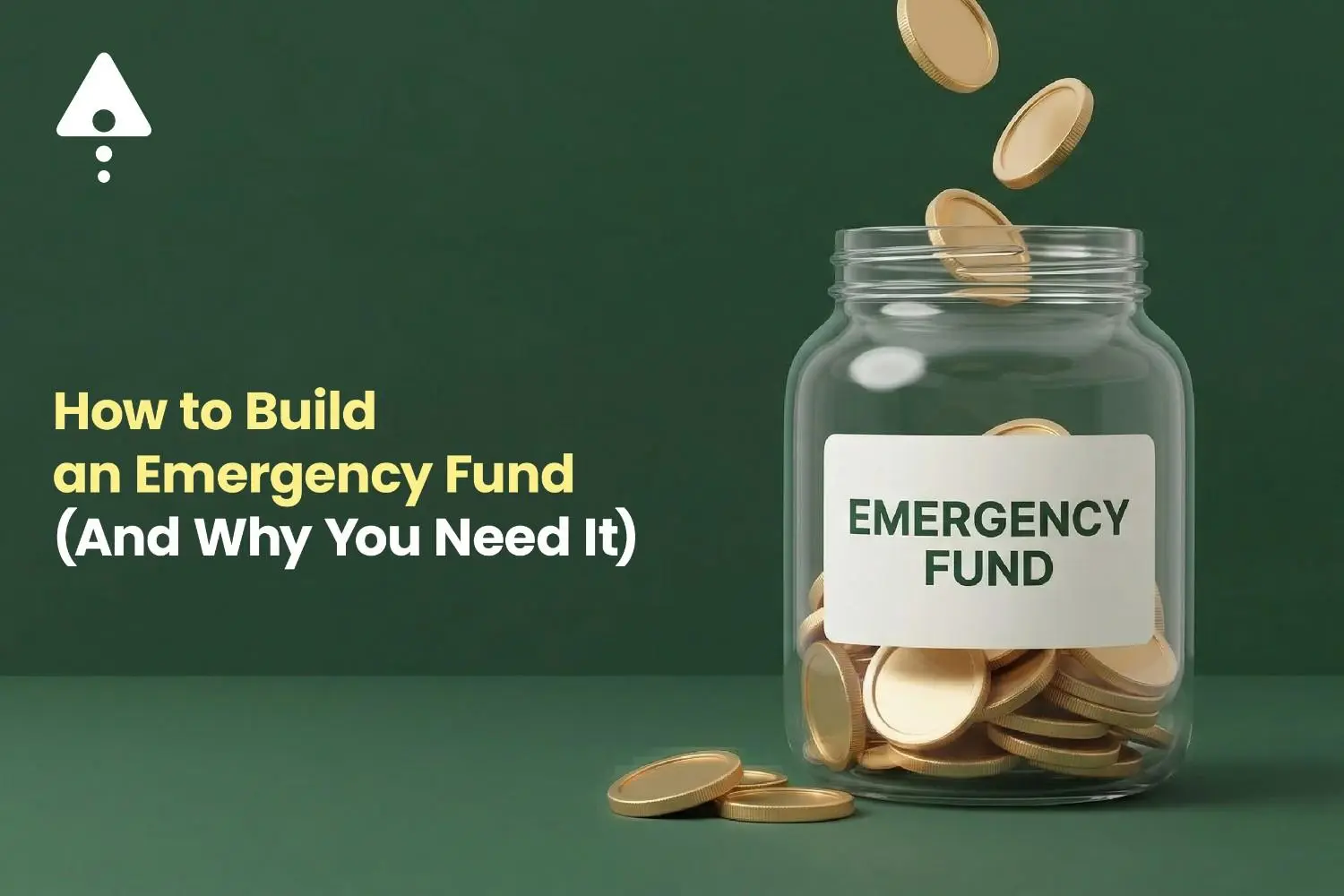
Hot vs. Cold Wallets: How to Store Crypto Safely
Exchange hacks have cost billions. Learn how crypto wallets work and which type actually protects your assets.
Read More